Donabe Eda Mame ‘Green Soybean’ Gohan, Matsutake Gohan, Ayu Shioyaki and Tsukudani

Donabe Takikomi Gohan: Eda Mame ‘Green Soybean’ Gohan, Matsutake Gohan, Grilled Ayu Sweetfish and Homemade Tsukudani Donabe Takikomi Gohan: Eda Mame 'Green Soybean' Gohan, Matsutake Gohan, Grilled Ayu Sweetfish and Homemade Tsukudani
Being requested for more frequent recipes by our readers on KyotoFoodie, last night I made eda mame gohan cooked in a donabe and tried my new experimental tsukudani. While preparing this simple, seasonal and very tasty dish, Tanigawa-san from Kichisen called and told that…
Read More »

Japanese Condiment: Kyotona Pepper Greens and Wagyu Beef Tsukudani

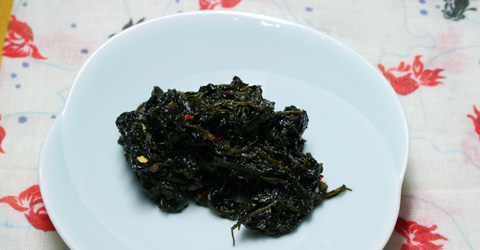
Kyotona Pepper Greens and Wagyu Tsukudani 京唐菜佃煮 Kyotona Pepper Greens and Wagyu Tsukudani  京唐菜佃煮
Tsukudani is a Japanese condiment that is usually made of seaweed that has been simmered in soy sauce, cooking sake and mirin. Kitayama, or the North Mountains of Kyoto are famous for Tsukudani made with mountain vegetables and mushrooms. Some tsukudani shinise stores in the city make tsukudani with wagyu beef. Tsukudani is…
Read More »

How to Season a Japanese Donabe Earthenware Pot

Here at the KyotoFoodie House (also known as Beagle House) I have really been getting into gohan nabe. That is a donabe, earthenware pot, for cooking rice. Gohan is the word for rice in Japanese. Gohan Nabe: Earthenware Pot for Cooking Rice
Rice cooked in a gohan nabe is noticeably tastier than in an electric rice cooker. Of course electric…
Read More »

Donabe Takenoko Gohan (Bamboo Shoot Rice Cooked in Donabe)

A rice cooker is convenient and surefire for making good rice every time. A donabe, or gohan-nabe is an earthenware pot for cooking rice. Getting the amount of heat and time right can be tricky, but once mastered, it produces tastier rice and rice dishes. In a donabe, I cooked my fresh, Kyoto takenoko (bamboo shoot) with rice…
Read More »

How to Cook Fresh Bamboo Shoots (Takenoko Akunuki)

In addition to sakura, springtime is the season for fresh bamboo shoots, or takenoko, in Kyoto. Asahori, or ‘dug up early this morning’ is common to see on signs and labels in the stores. Even though takenoko is very fresh, it still must be precooked to remove the harsh astringency from the young and tender shoot. How…
Read More »